How to Choose the Right Home Builder: A Step-by-Step Guide
Identifying the right home builder is a vital choice. It demands diligent analysis of several factors, including background, credibility, and communication approach. A thorough assessment can reveal critical insights that influence the whole construction process. Recognizing these aspects helps guarantee a productive collaboration. However, understanding where to begin can be challenging. What key qualities should one prioritize in this crucial choice?
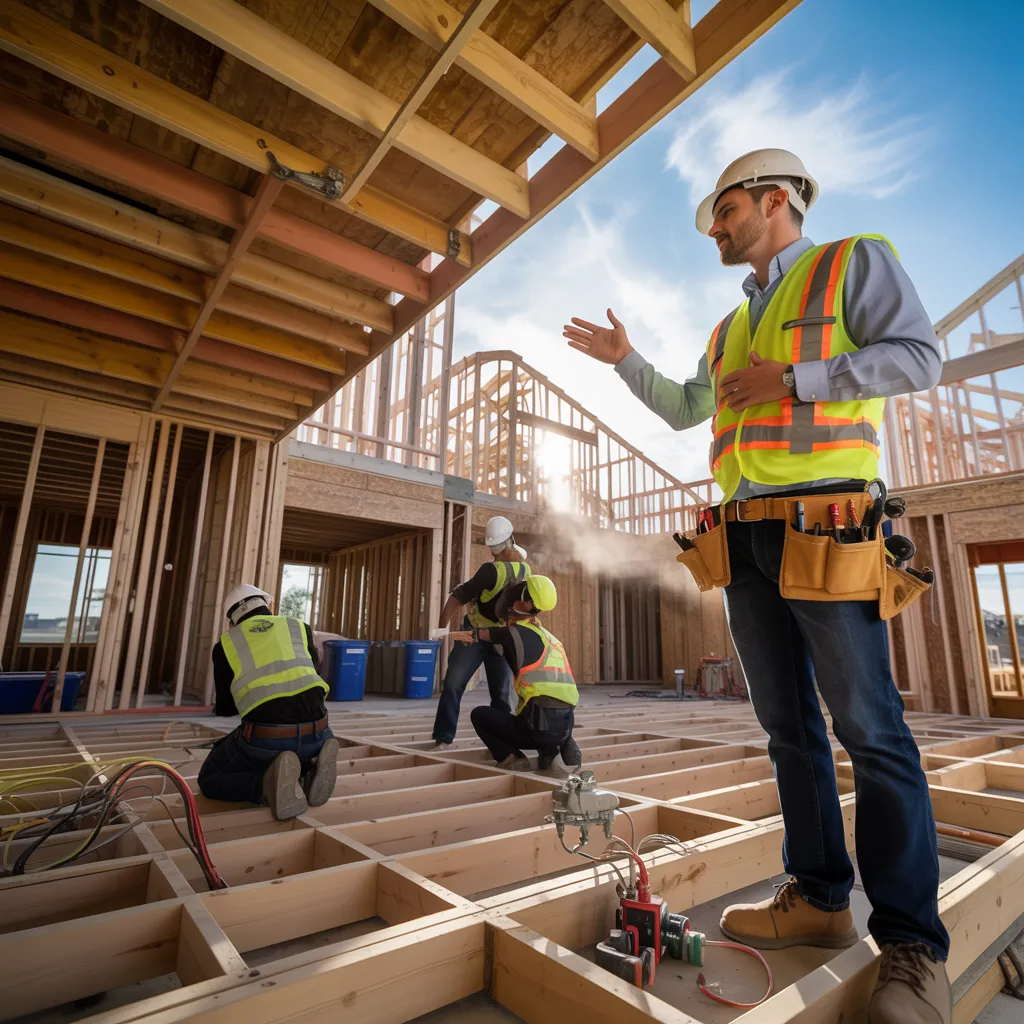
Reviewing Builder Experience and Portfolio
When choosing a home builder, experience and portfolio act as essential indicators of capability. Contractors with a wealth of experience often exhibit a deeper understanding of construction processes, local regulations, and design trends. This background can considerably affect the quality and efficiency of the project.
A carefully assembled portfolio demonstrates a contractor's range of work, presenting a variety of styles and levels of complexity. Future homebuyers should examine finished work to gauge the construction professional's quality of work, thoroughness, and proficiency in delivering project expectations.
Furthermore, the body of work can reveal the builder's versatility to different environments and client needs. Working with builders who have a proven record of accomplished work can strengthen belief in their ability to deliver on promises. When all is considered, evaluating experience and portfolio empowers homeowners to reach well-informed conclusions, ensuring their financial commitment aligns with personal expectations and desired outcomes.
How to Assess Reviews and Reputation?
How can prospective homeowners effectively assess a builder's reputation? Among the most dependable approaches is reviewing feedback on platforms like Google, Yelp, and dedicated construction websites. These reviews often provide insights into previous clients' experiences, highlighting strengths and weaknesses. Additionally, checking social media can reveal real-time feedback and community interactions.
Homeowners are advised to gather referrals from friends, family, or nearby real estate professionals, as word-of-mouth recommendations frequently hold considerable value. Moreover, researching the builder's record with local business bureaus can bring to light any grievances or unaddressed matters.
For a thorough view, it is helpful to speak directly with past clients, asking specific questions about their satisfaction and the quality of the work. By combining these approaches, aspiring homeowners can form a well-rounded understanding of a builder's track record, ensuring a more informed decision.
Communicating Effectively With Your Builder
Creating transparent interaction with a contractor is vital for a productive home renovation project. Proper communication guarantees that all parties involved are aware of objectives, schedules, and foreseeable issues. It initiates with an first conversation where homeowners can communicate their vision, financial parameters, and any specific requirements. Ongoing correspondence, whether through electronic messages, direct calls, or face-to-face discussions, promote mutual understanding.
Homeowners ought to promote an open dialogue, allowing the builder to share insights and progress reports. This two-way communication fosters trust and can lead to more efficient problem-solving. It is also essential for homeowners to document conversations and decisions to avoid misunderstandings later.
Defining specific milestones and timelines can significantly strengthen communication, confirming that the project continues to progress as planned. In the end, open and transparent communication not only alleviates stress but also promotes a smoother construction process, leading to a home that satisfies what the homeowner had in mind.
The Way Your Home Builder Picks Materials
Transparent communication establishes the foundation for understanding how builders select materials for a construction project. Contractors generally evaluate multiple factors, such as the project's design, regional building codes, and the client's preferences. They often prioritize quality and durability, choosing materials that align with or go beyond established industry standards.
Environmental responsibility is another key consideration, with numerous contractors integrating sustainable choices to appeal to environmentally conscious clients. These professionals often work closely with vendors to guarantee the availability of specific materials, with careful attention to deadlines and cost considerations.
Additionally, contractors evaluate material expenses and performance attributes, weighing the benefits of various options against potential risks. This meticulous review process helps verify that the chosen materials is in line with the homeowner's desires while offering both structural strength and visual attractiveness. In the end, the choice of materials reflects both the builder's proficiency and the joint input provided by the homeowner.
Grasping Fair Pricing Structures
Grasping reasonable cost frameworks is essential for future homeowners. A transparent cost breakdown allows clients to understand precisely where their money is going, while evaluating price quotes helps full information ensure they are getting favorable pricing. This openness can significantly impact the choosing process when hiring a contractor.
Open Cost Overview
How can prospective homeowners guarantee they are getting a fair deal when hiring a builder? A transparent cost breakdown is essential for understanding fair pricing structures. Contractors should offer comprehensive estimates that cover all associated costs, such as materials, labor, permits, and unforeseen expenditures. This openness not only encourages confidence but also empowers homeowners to understand how their budget is distributed. Prospective buyers should inquire about the pricing methodology used, ensuring it aligns with industry standards. A trustworthy contractor will readily explain their pricing approach, clarifying any differences in expenses. This openness allows homeowners to make informed decisions and minimizes the risk of hidden fees or last-minute charges, ensuring a smoother building experience.
Comparing Quote Estimates
When evaluating potential builders, reviewing price estimates proves to be a critical step in securing transparent pricing arrangements. Future homeowners should gather multiple quotes to understand the market average and recognize inconsistencies. Each estimate should contain a comprehensive cost breakdown, encompassing materials, labor, and any additional fees. This clarity aids in assessing whether a quote is competitive or inflated. Homebuyers should additionally ask about the approach used for each quote, as distinct builders may employ differing criteria for materials and labor. It is essential to consider not only the full expense but also the caliber of supplies and workmanship delivered. By carefully reviewing these quotes, homeowners can make informed decisions and choose a contractor that matches their financial plan and standards.
Key Questions to Ask Before Signing
Prior to signing a contract with a home builder, it is important to inquire about their background and qualifications. Additionally, validating their licensing and coverage can provide peace of mind about legitimacy and protection. To conclude, familiarizing yourself with the warranty and aftercare services provided can assist in securing enduring contentment with the project.
Knowledge and Experience
Selecting a home builder demands thorough evaluation of their experience and expertise, as these qualities heavily affect the caliber of the completed project. Potential homebuyers should inquire about the builder's years in the industry and the styles of residences they focus on. Seeking examples or testimonials of completed projects can reveal information about their craftsmanship and customer satisfaction. It is also beneficial to learn about the builder's methods for project management and problem-solving, as these abilities can affect timelines and budgets. Furthermore, discussing any awards or recognitions received can highlight their credibility among peers. Ultimately, a builder's background and proficiency should match the homeowner's goals and aspirations for their future residence.
Licensing & Insurance
A complete understanding of licensing and insurance is essential for homeowners choosing a builder. Homeowners should initially confirm that the builder holds a valid license, as this confirms conformity with local regulations and standards. It is recommended to request documentation of the license, confirming that it is current and appropriate for the construction type being planned.
Insurance protection is just as important. Homeowners need to request information on general liability insurance, which shields them from possible damages, and workers' compensation insurance, safeguarding against injuries on-site. A reputable builder should willingly provide proof of both. This careful approach not only safeguards the homeowner's investment but also builds confidence in the builder's professionalism and dedication to quality.
Guarantee and Aftercare Solutions
Grasping warranties and post-construction services is a vital consideration after establishing a construction company's credentials and coverage. Potential homeowners should ask about the particulars of the warranty, including its length and what it encompasses. Essential inquiries involve: What is the method for submitting a claim? Are there any exclusions or limitations? Additionally, it's important to be aware of the maintenance services offered. Homeowners should ask how the construction company handles issues after construction, such as repairs or maintenance. They should also assess the responsiveness of the support team and turnaround times for service requests. A builder's investment in aftercare and warranty provisions can significantly influence the long-term satisfaction with the residence, making these questions indispensable before signing any contracts.
Common Questions and Answers
What Warranties Do Home Builders Typically Offer After Project Completion?
Home builders typically offer warranties that protect against structural defects for 10 years, systems and appliances for one to two years, and workmanship for one year, guaranteeing safeguards against possible concerns once the project is finished.
How Do Builders Deal With Unexpected Project Delays or Complications?
Contractors generally address unanticipated construction delays by communicating transparently with stakeholders, identifying the root cause, and delivering adjusted project timelines. They can put contingency measures in place and work out solutions to reduce disruption, ensuring the continuation of work and customer satisfaction.
Is It Possible to Customize My Home Design With Any Builder?
Not all construction companies offer customization of home designs. Some provide predetermined floor plans, whereas others offer adaptable alternatives. Prospective homeowners should inquire about personalization options to confirm that their goals correspond with the builder's offerings.
What Types of Financing Options Do Builders Provide for New Homes?
Builders commonly provide various payment alternatives, including direct builder financing, partnerships with lenders, and adaptable payment structures. Such solutions are designed to suit a range of financial situations, rendering home ownership more attainable for interested purchasers seeking new homes.
What Methods Do Builders Use to Ensure Energy Efficiency in New Homes?
Contractors ensure energy efficiency in modern homes by integrating state-of-the-art insulation materials, high-efficiency windows, and HVAC installations. They additionally employ environmentally responsible building practices and innovations, working to decrease energy consumption and strengthen overall environmental efficiency.